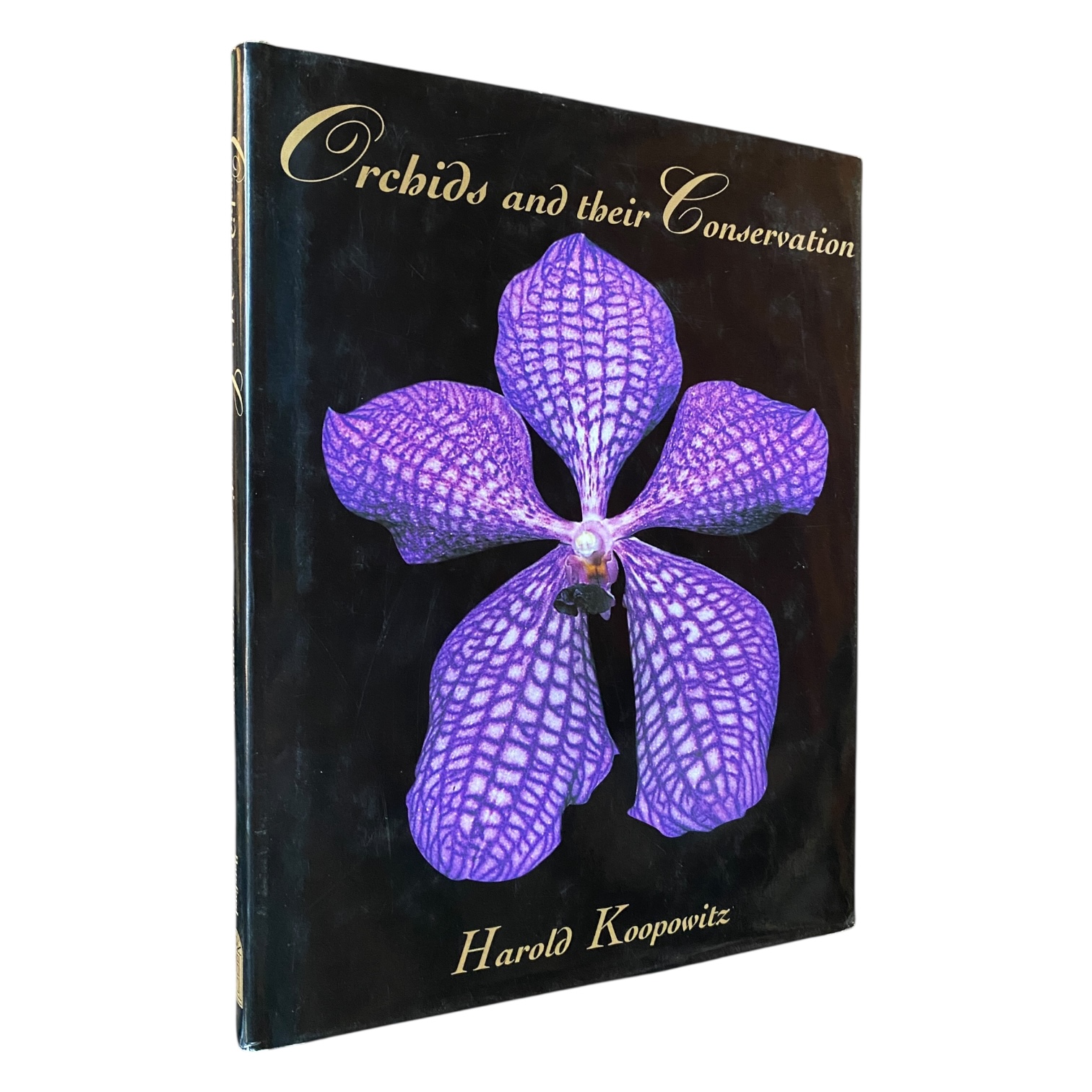
Orchids and Their Conservation by Harold Koopowitz (Batsford, 2001) is a definitive and authoritative hardback reference that bridges rigorous scientific insight with accessible narrative, crafted for orchid enthusiasts, horticulturists, conservationists, and botanical libraries alike. Spanning approximately 176 pages, this first–edition volume distills contemporary understanding of orchid biology, ecology, and the escalating conservation challenges facing one of the most diverse and captivating plant families on Earth. Drawing on Harold Koopowitz’s extensive career as an ecologist and orchid specialist, the book situates orchids within broader environmental and ethical contexts, making it essential reading for anyone committed to the preservation of global plant diversity.
From the outset, Orchids and Their Conservation offers a structured and insightful exploration of orchid science, beginning with foundational chapters that define what orchids are and how they thrive in varied ecosystems. Koopowitz then transitions to pressing issues such as habitat destruction, deforestation, and the specific threats that imperil orchid species worldwide, all illustrated with clear examples and scientifically grounded explanation. The narrative moves fluidly from natural history into conservation frameworks, addressing both in situ approaches (protecting orchids within their natural habitats) and ex situ strategies (cultivation, propagation, and the role of collections in species survival). Interwoven throughout are critical discussions on international trade regulation and policy, including the implications of CITES for orchid conservation efforts.
Harold Koopowitz’s voice in this book is at once scholarly and practical. He brings decades of field experience and academic expertise to bear, encouraging readers not only to understand orchids’ biological complexity but also to participate actively in conservation initiatives. Detailed chapters cover ethnobotany, the ethical dimensions of cultivation and commercialism, and actionable guidance for amateur growers who wish to support conservation outcomes. The book’s thorough index and referenced bibliography further enhance its value as a long–term resource for research, education, and responsible orchid stewardship.
Physically, this edition is bound in a sturdy hardcover format typical of conservation and natural history volumes of its era, designed to withstand frequent consultation. Orchids and Their Conservation remains a relevant and respected title on the intersection of orchid passion and environmental responsibility, making it a noteworthy addition to personal collections, academic libraries, and garden reference shelves alike.