
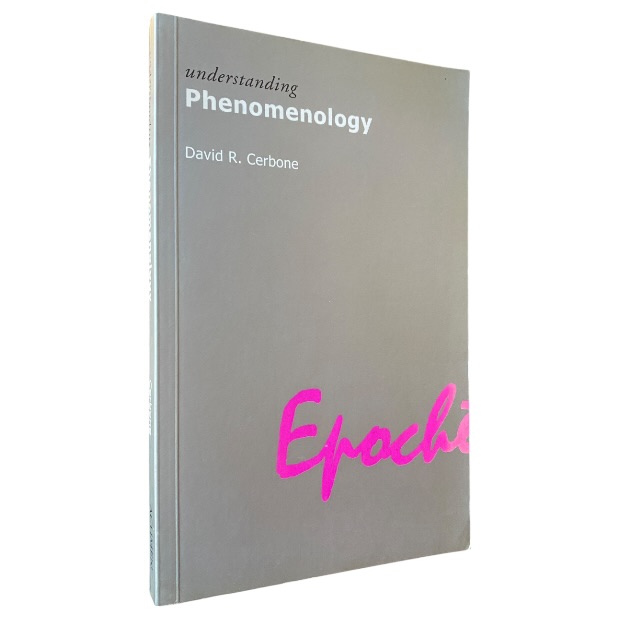
Understanding Phenomenology by David R. Cerbone is a thoughtful and accessible introduction to one of the most influential schools of modern philosophy, written for readers approaching phenomenology for the first time. Originally published in May 2006 and available in paperback with ISBN 9781844650552, this edition distils complex philosophical movements into clear exposition while preserving the intellectual depth that has made phenomenology a central strand of twentieth-century thought. It spans approximately 224 pages and is published under the Taylor & Francis/Acumen imprint, reflecting Cerbone’s expertise as a philosopher and educator.
From its opening discussion of Edmund Husserl’s foundational ideas—such as transcendental or “pure” phenomenology—to its survey of existential interpretations by figures like Martin Heidegger, Jean-Paul Sartre, and Maurice Merleau-Ponty, Understanding Phenomenology maps the development of the movement with clarity and rigour. Cerbone balances historical narrative with conceptual analysis, guiding readers through the technical vocabulary and methodological contours that often challenge newcomers to phenomenological literature. The book also addresses critical responses and later philosophical engagements with phenomenology, situating its ongoing relevance within contemporary philosophical discourse.
The strength of Understanding Phenomenology lies in its dual commitment to accessibility and intellectual substance. Cerbone’s prose patiently unpacks dense ideas without oversimplifying them, making this book suitable for students, scholars seeking an overview before tackling primary texts, and curious readers interested in the structures of experience and consciousness that phenomenology explores. Its organised progression from Husserlian intentions to later developments ensures that readers build a coherent grasp of phenomenological method, key thinkers, and enduring questions. This edition remains a valuable resource for anyone aiming to engage seriously with the philosophical movement that reshaped how we think about consciousness, experience, and the very project of philosophy itself.