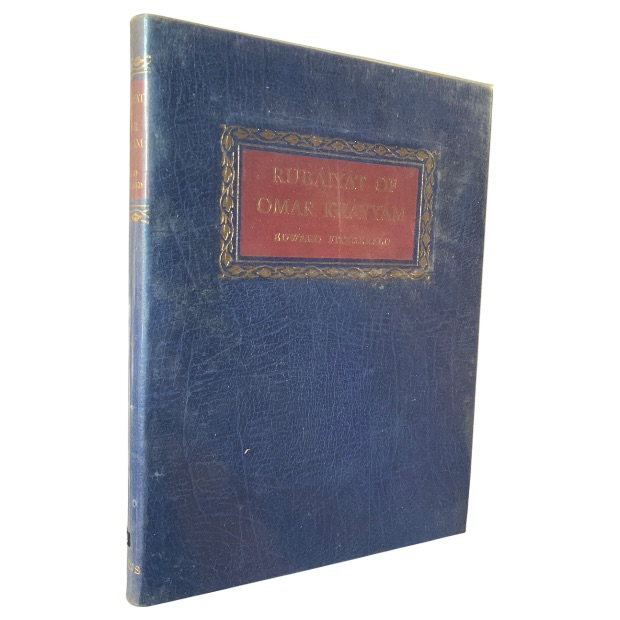
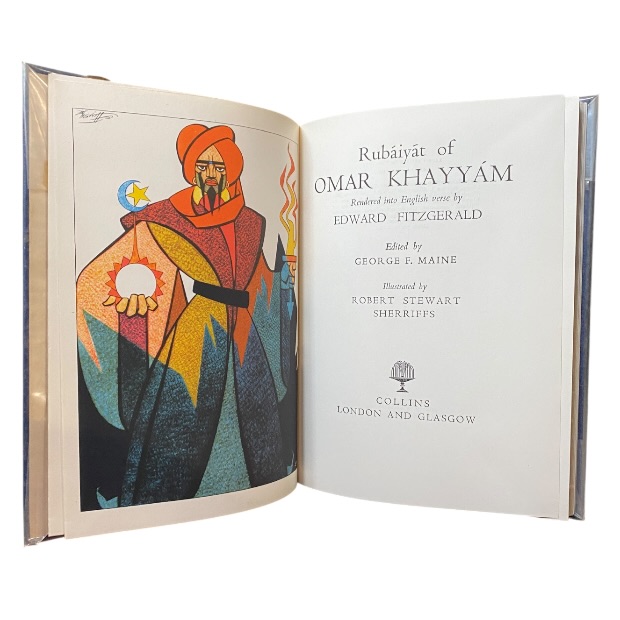
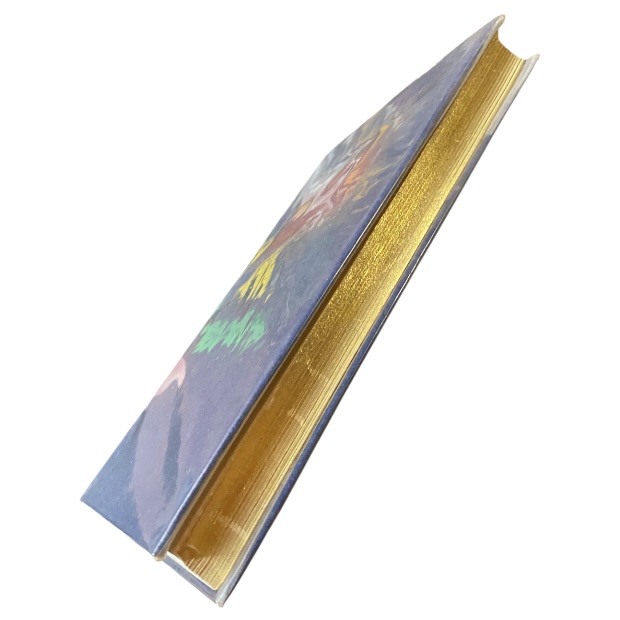
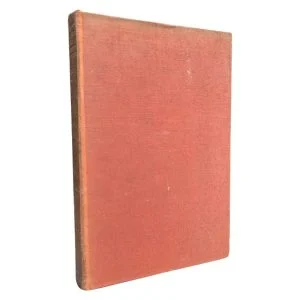
Rubáiyát of Omar Khayyám, published by Collins in 1967, presents one of the many enduring English editions of the celebrated quatrains attributed to the Persian mathematician, astronomer and poet Omar Khayyám. The poems are most widely known through the celebrated nineteenth-century rendering by Edward FitzGerald, whose interpretation transformed the original Persian verses into a lyrical and reflective sequence of English quatrains. First appearing in 1859, FitzGerald’s version of Rubáiyát of Omar Khayyám went through several revised editions and ultimately became one of the most beloved works of translated poetry in the English language, influencing generations of readers with its philosophical reflections on fate, time and the fleeting nature of life.
In Rubáiyát of Omar Khayyám, the reader encounters a series of short, epigrammatic poems that explore universal themes such as the passage of time, the inevitability of mortality and the search for meaning in a transient world. Often expressed through imagery of wine, gardens, dawn and desert landscapes, the verses combine sensual beauty with profound philosophical inquiry. FitzGerald’s poetic approach was famously free rather than strictly literal, blending and reshaping original Persian quatrains to create a flowing English poem that stands as a work of literature in its own right.
The Collins editions of Rubáiyát of Omar Khayyám produced in the mid-twentieth century are particularly noted for their elegant presentation, often issued in the publisher’s Clear-Type format with decorative illustrations, introductions and notes that help place the poetry within its historical and literary context. Such editions of Rubáiyát of Omar Khayyám frequently include introductory essays on both Omar Khayyám and Edward FitzGerald, along with indexes of the famous opening lines that have become part of the poetic tradition.
A timeless classic of world literature, Rubáiyát of Omar Khayyám continues to captivate readers with its blend of lyrical beauty and philosophical depth. Whether collected for its literary significance, its evocative poetry or its beautifully produced editions, the work remains one of the most widely read and treasured poetic texts ever to emerge from the meeting of Persian thought and English verse.