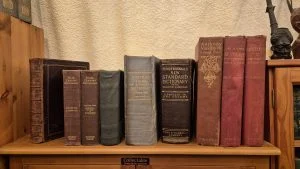
Short answer: five things determine what an old book is worth. In order of importance, rarity, condition, edition, demand, and provenance. Everything else is detail.
At Midlands Books, we look at two of those five before we even start researching. Condition and edition. If a book has both, it’s worth taking to the next step. If it doesn’t, it’s usually a nice old book that isn’t going to make anyone rich.
We know this isn’t what most people want to hear. The book that’s been in the family since grandfather’s day, the one from the top shelf that smells like time. Surely it has to be worth something?
Sometimes yes. Often no. Here’s how to tell.
1. Rarity.
How many copies were printed? A book from 1820 with a print run of 8 million copies is easy to find in decent condition anywhere in the world. A book from 1955 with a print run of 500 is genuinely scarce. Age and rarity are not the same thing.
2. Condition.
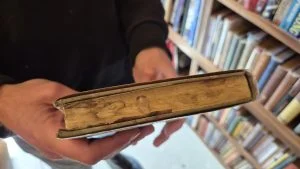
Age wears books. Foxing, water damage, torn covers, missing dust jackets, cracked spines, torn pages, mildew. All of these bring value down sharply. A first edition in poor condition is often worth 10 to 20 percent of the same book in good condition. Dust jackets in particular matter more than most people realise. A first edition without its original dust jacket can be worth a quarter of the same book with the jacket intact.
3. Edition.
First edition, first printing, is usually the top prize. But not always. Later editions of some books are worth more than the first because a specific plate or map only appeared in later printings. This is where knowledge of the specific title earns its keep. We check every book against known editions before pricing.
4. Demand.
There has to be someone who wants it. A completely obscure first edition of a book nobody’s heard of is only worth what a collector is willing to pay. Popular authors, cultural icons, historical figures, and specific niche interests all drive demand. This is the piece that swings prices up and down over time.
5. Provenance.
Where did the book come from? Was it owned by someone famous, presented to a particular person, inscribed by the author? Provenance can add significant value, especially if it can be documented. A regular first edition with a boring past is worth one thing. The same book inscribed by the author to a well-known figure is a different animal entirely.
The single biggest misconception we deal with at the shop is this. People arrive convinced their book is worth a fortune because it’s old and looks it. Nine times out of ten, we have to explain that value comes from the combination above, not from age alone.
Google is often part of the confusion. Someone types in the title, sees a rare copy sold at Christie’s for a huge sum, and assumes theirs is the same. Almost always it isn’t. That auction result was for a specific edition, in specific condition, with specific provenance. The same title in a later printing, poor condition, no dust jacket, is a completely different item at a completely different price.
We get this conversation a few times a week. Usually about early twentieth century poetry that’s been in the family for decades. Often loved, often in poor condition, and usually worth very little in the collectors’ market. That’s not to say the book isn’t precious to the family. It just isn’t valuable in the sense people were hoping for.
If we had to list the categories that punch above their weight, botany would be at the top. Rare botany books ship out of our shop to buyers across the world at prices that surprise even us. There is a genuine global market for illustrated botanical works, plates, and reference volumes from the eighteenth and nineteenth centuries, and South Africa has some remarkable examples in circulation.
Old bibles are the other one. Family bibles from the 1700s and 1800s, especially with intact bindings and clear provenance, can be genuinely valuable. The catch is that most treasure hunters already know this, so bibles in good condition are hard to find at reasonable prices at estate sales and auctions.
Old children’s books in good condition are the ones we always get excited to see. First editions of children’s classics, illustrated editions with plates intact, and vintage picture books all sell well. The problem is that children read them, and dogs chew them, and grandparents write in them. By the time they reach us they often aren’t in the condition needed to make them valuable. When they are, they’re worth every rand.
Not long ago we did a home visit and found something remarkable. Three items from the same private collection. An 1895 first edition of The Second Jungle Book by Rudyard Kipling. Two early editions of Alice’s Adventures in Wonderland, one from 1867 and one from 1869. A first edition of Through the Looking Glass and What Alice Found There from 1872. All in the sort of condition that makes book dealers unusually cheerful.
The other side of the coin came recently too. A customer arrived certain they had something extraordinary. Google, they explained, said it was worth a lot. It turned out to be an early twentieth century poetry collection in fair condition, a common printing that changes hands regularly for a modest amount. Nice book. Not a life-changing one.
We also spent more than we usually would at auction on an eighteenth century title that we suspected was more complete than most surviving copies. When it arrived, it was exactly that. It needs some restoration. The front cover has detached. Even in that state, it’s worth several times what we paid for it. We can’t share the title yet. Book dealers are quiet about specific finds until they’re ready to sell.
Condition is one of the biggest things that moves a book’s value, so it is worth knowing the grades. Our book grading guide runs through them from Fine to Poor. If you are looking to buy rather than sell, you can browse our books or our special edition titles.
Ask the questions. That’s Rob’s actual advice, and it’s the best we can give you.
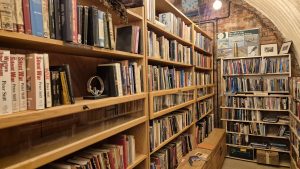
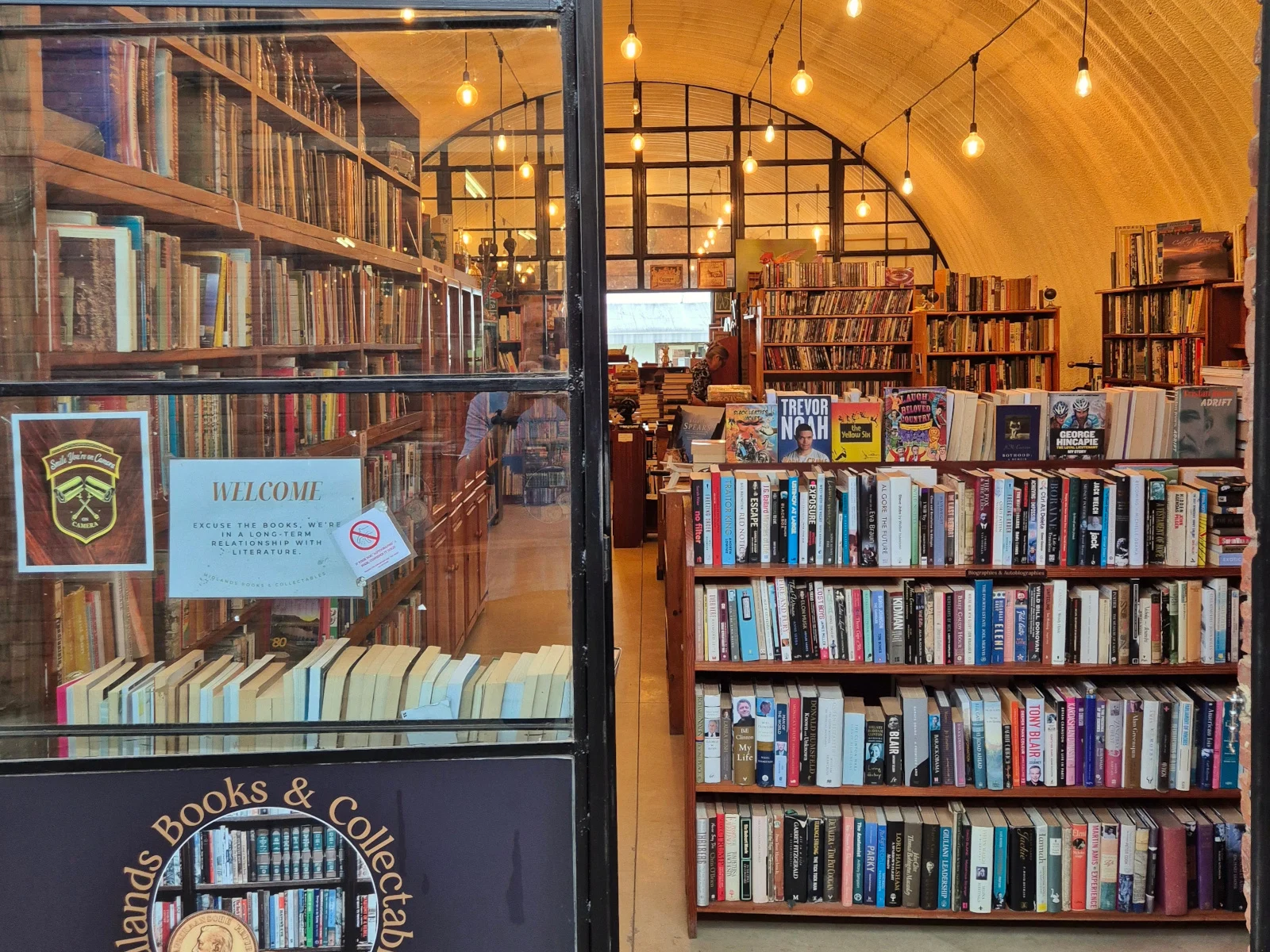
The truth is that valuing a book properly means seeing it and holding it. Condition is a physical thing, and photographs only tell you so much. If you’re anywhere near Howick, bring your books to us at The Old Mushroom Farm on Karkloof Road. We’ll take a look and tell you honestly what we think, no charge, no obligation. If we like what we see, we may offer to buy them.
If you’re further afield, send Rob a few photos of the covers, the title pages, and any pages with dates or inscriptions to [email protected], or WhatsApp us on 082 328 2755. We’ll do our best from there, but we’ll always be cautious about giving firm numbers on a book we haven’t physically handled.
And if you’re looking the other way, wanting to buy rather than sell, our online catalogue is updated regularly with new arrivals. From R50 paperbacks to signed first editions worth several thousand rand, there’s usually something worth a look. We also keep a strong stock of Rhodesiana and hard-to-find South African titles that we know are in short supply on the global collectors’ market.
Old books deserve better than sitting on the top shelf gathering dust because nobody’s sure what they are. Whatever the answer turns out to be, it’s better to know.
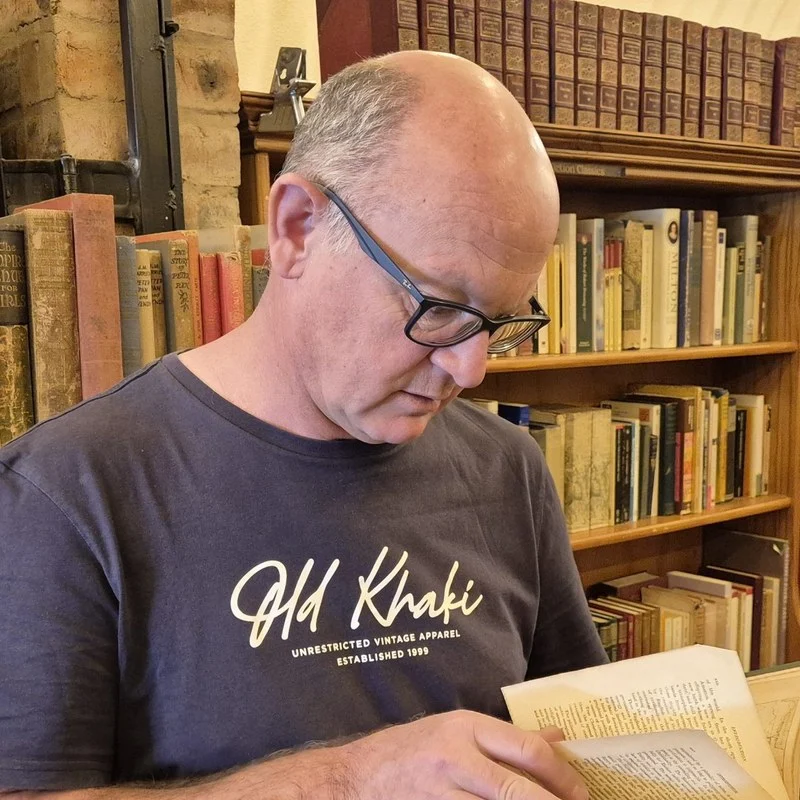
Robert (Rob) Cronjé is co-owner of Midlands Books & Collectables, based at The Old Mushroom Farm in Howick, KZN Midlands. He runs the shop alongside co-owner Adam Riley. Walk in on a weekday and you'll usually find one of them behind the counter with a coin, a rare book or a customer's collection spread out in front of them.
ZAR |
R |
 |
USD |
$ |
 |
EUR |
€ |
 |
GBP |
£ |
 |
|
ZAR
|
USD
|
EUR
|
GBP
|