People mix up a first edition and first printing all the time, so here is the short answer. A first edition is the first published version of a book, and a first printing is the very first batch of copies run off from that setting of type. They are not the same thing, and the copy collectors prize most is a first edition, first printing. I am Rob, co-owner at Midlands Books in Howick, and this is easily one of the most common mix-ups we clear up for people, so let me untangle it.
A first edition is a book as it first appeared in print from its publisher: that text, set in that type, in that form. It stays the first edition for as long as the publisher prints from that same setting without changing the content. So an edition is really about the content and how it was set, not about how many copies exist. When the text is revised, reset, or reissued by another publisher, that becomes a new edition, a second edition, a revised edition, and so on.
A first printing, also called a first impression, is the first run of copies that came off the press for that first edition. Popular books get reprinted, sometimes many times, all from the same setting, so you can easily have a first edition that is a second, third or tenth printing. When collectors talk about the copy everyone wants, they mean a first edition, first printing, sometimes written as “first edition, first impression”. That is the true first appearance of the book in the world.
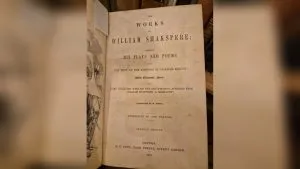
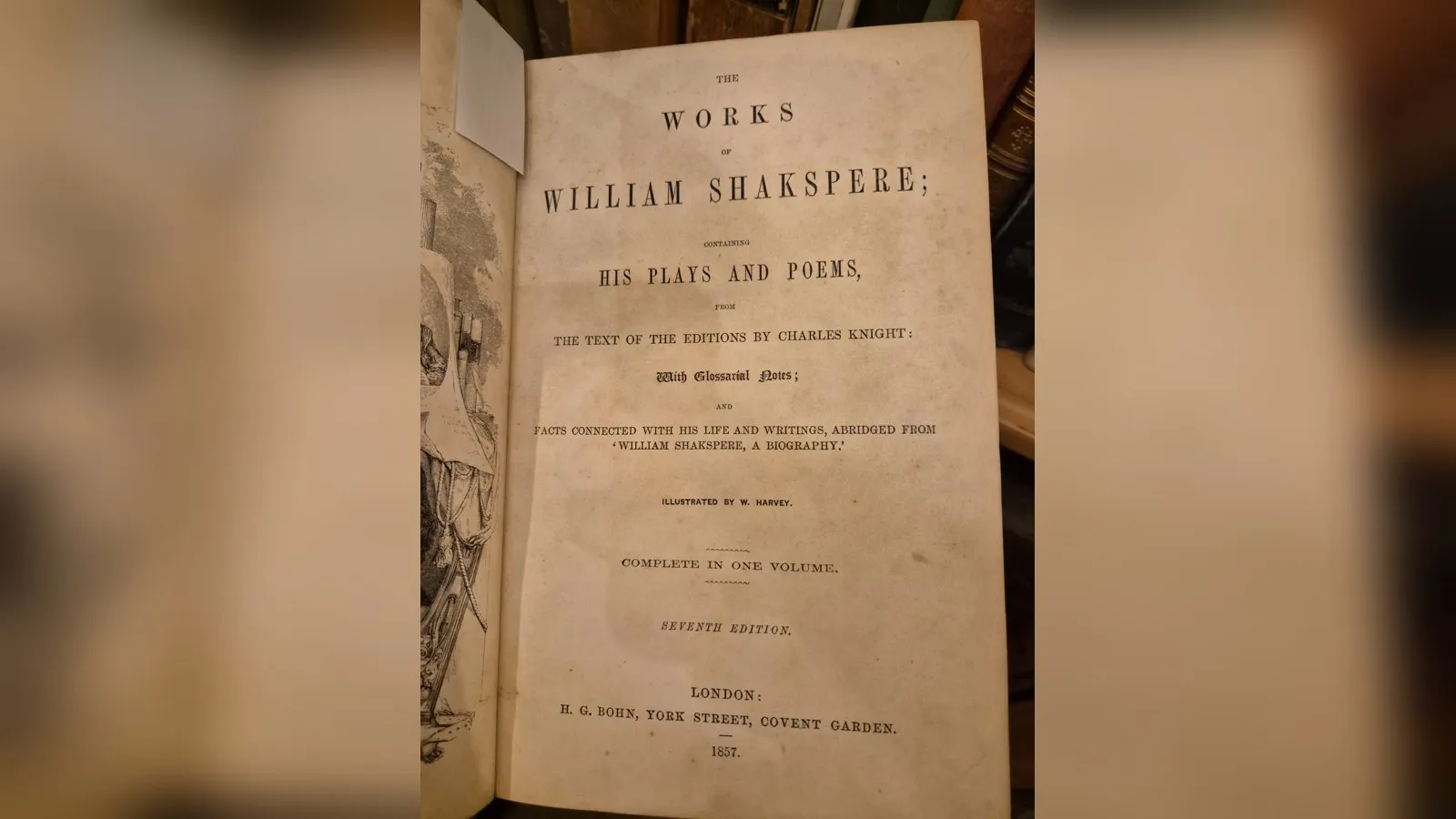
The answer is almost always on the copyright page, the one behind the title page. Look for a few things. Many publishers print a number line, a row like “10 9 8 7 6 5 4 3 2 1”, and the lowest number present tells you the printing, so if the “1” is there, it is a first printing. Others simply state “First edition” or “First published” with a date that matches the title page. The catch is that conventions differ from publisher to publisher and have changed over the years, so the same clue does not always mean the same thing. When in doubt, checking that publisher’s practice for that year is what settles it.
It matters enormously. A true first edition, first printing of a sought-after title can be worth many times a later printing that looks almost identical on the shelf. The later printings carry the same words but not the same scarcity, and scarcity is a big part of what collectors pay for. That is why identifying the printing correctly is worth the few minutes it takes, and it is at the heart of what we do when we value a book in the shop. There is more in our rare book collecting posts.
A few things trip people up. “First edition thus” means the first appearance in this particular form, a new imprint or a new introduction, but not the original first edition. Book club editions are printed to look like the real thing but are generally not collectable, and are usually easy to spot once you know the tells. And facsimiles or later reissues can carry “first edition” language that refers to the original, not the copy in your hand. None of this is meant to catch you out, it is just the detail that separates a genuine first from a lookalike.
The edition is about the content and its setting; the printing is about which run of copies you are holding. A first edition, first printing is the first version of the book from its first press run, and it is the one that carries the most value. If you want the fuller background, the reference on book editions is a solid starting point.
If you think you might have a first edition and you are not sure about the printing, send me a few clear photos of the title page and copyright page on WhatsApp at 082 328 2755 or email [email protected]. If you are looking to buy rather than sell, our online catalogue is updated regularly.
No. A first edition is the first published version of the text in that setting, while a first printing is the first batch of copies run from it. A first edition can have many printings, and the first printing is the most sought after.
Check the copyright page. Look for a number line, where the presence of a “1” usually means a first printing, or a clear “First edition” or “First published” statement with a matching date. Conventions vary by publisher, so confirm against that publisher’s practice.
No. A first edition only carries real value if the book is in demand and the copy is a genuine first printing in good condition. Plenty of first editions are common and modestly priced. Scarcity, demand and condition together decide the value.
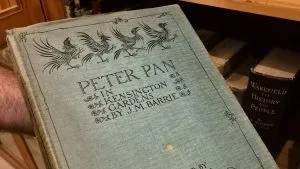
For a real example of telling editions apart, see how we worked out whether our Peter Pan was a 1906 first edition.
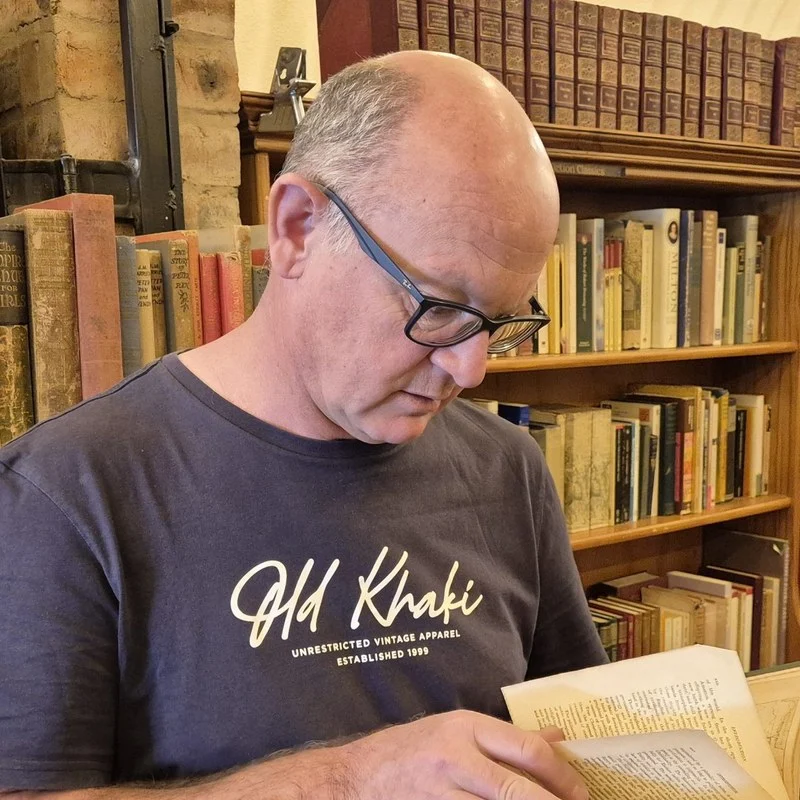
Robert (Rob) Cronjé is co-owner of Midlands Books & Collectables, based at The Old Mushroom Farm in Howick, KZN Midlands. He runs the shop alongside co-owner Adam Riley. Walk in on a weekday and you'll usually find one of them behind the counter with a coin, a rare book or a customer's collection spread out in front of them.
ZAR |
R |
 |
USD |
$ |
 |
EUR |
€ |
 |
GBP |
£ |
 |
|
ZAR
|
USD
|
EUR
|
GBP
|
See new arrivals first
Join our list for first dibs on rare and collectable finds