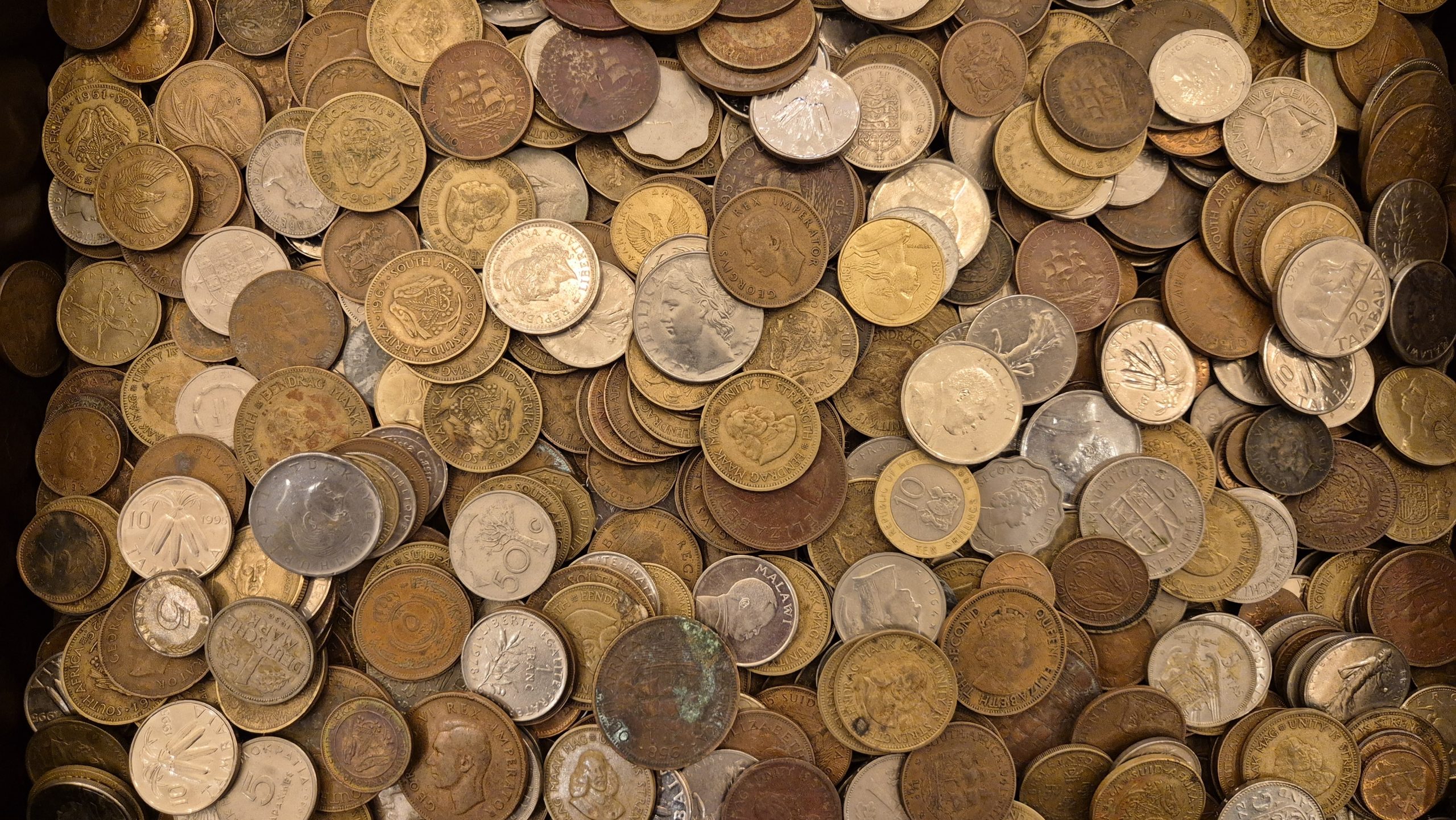
Old South African coins are a real mixed bag. Some are worth a small fortune. Most are worth their metal value or a little over, and a good few are worth exactly what is stamped on them and no more. The hard truth is that age alone does not make a South African coin valuable. What matters is the metal, how rare the coin is, the condition it is in, and how badly a collector wants it. I am Rob, co-owner at Midlands Books in Howick, and coins are my first love, so let me walk you through how I actually work it out when a jar lands on my counter.
Gold has a way of announcing itself, so that is usually the first thing my eye goes to. After that it is silver. I have handled enough coins over the years that I can generally tell from the colour and the look of a coin whether it is silver, and almost every older South African collection has at least a bit of silver in the mix. Metal value gives you a floor. A coin is almost never worth less than the gold or silver it contains, so that is where I start before I even think about collector value.
This is harder to answer than people expect, because most serious collectors have their own wish list. Some collect only ZAR, the old Zuid-Afrikaansche Republiek coinage, some only South African Union, some only RSA, and many of them collect in mint state, which means they are forever upgrading the same coin to a better example. That said, there are a few that almost every South African collector keeps an eye out for. Any 1931 silver coin is chased hard, as are the 1965 one cent, fifty cent and one rand. Those are the ones that make a collector lean in.
If you want the wider principle behind why some items are sought after and others are not, it is the same logic we set out for books in our guide on how to tell if an old book is valuable. Rarity and demand do the heavy lifting, in coins just as in books.
Think of it like an old car. Two cars can be the same model and year, but the one that has barely been driven and is still in original condition will be worth far more than the one that has done three hundred thousand kilometres. Coins are no different.
A circulated coin has been used as everyday money, so over the years it becomes worn and scratched and loses some of its detail. An uncirculated coin has never been used in circulation, so it still looks much as it did the day it left the mint. A proof coin is something else again, specially made for collectors with sharper detail and a much higher quality finish. Condition matters so much simply because well preserved coins are harder to find, and collectors want the best example they can get. The gap between a worn coin and a pristine one can be enormous.
One thing I cannot stress enough: never clean or polish an old coin. Making it shiny feels like you are helping, but it can strip a coin of its collector value in seconds. Leave it exactly as it is.
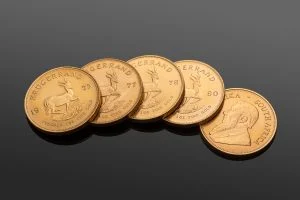
It helps to remember why the Krugerrand exists in the first place. We go deeper on this in our guide to spotting a rare or valuable Krugerrand. It was created so that ordinary people could invest in gold as bullion, and for most Krugerrands that is exactly what they are worth, the gold they contain on the day. Where it changes is with a proof Krugerrand or a special edition carrying a mintmark. Those are made for collectors, and a collector will often pay a healthy premium over the bullion value to get one. So a plain bullion Kruger tracks the gold price, while the right proof or special edition can be worth considerably more.
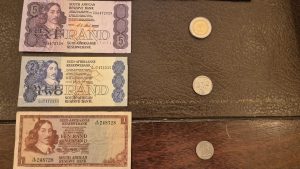
The biggest one, exactly as with books, is that a coin must be valuable because it is very old. Age on its own means very little. The second is the Mandela five rand saga, which I suspect will be with us forever. People are convinced theirs is worth thousands, but the honest position is that they were minted in the millions, so the vast majority are worth face value or a little over. Every now and then a genuine rarity turns up, but it is the exception, not the rule.
A few things decide where a coin sits. The mintage figure, meaning how many were made, is a big one. Condition is another, for all the reasons above. And then there is plain demand, because I have watched plenty of collectors pay more than they meant to simply because they really wanted that particular coin to complete a set. Scarcity plus condition plus a keen buyer is what pushes a coin up the bands.
Grading matters most when a coin or note is genuinely rare. Having it professionally graded authenticates it and encapsulates it in a sealed holder for better preservation, and it adds real peace of mind if the piece is going to auction. For the full picture, see our guide to grading South African coins and banknotes. I have been dealing in numismatics for a long time, but I am not a professional grader, so when something comes in I tend to grade it one level lower than my first instinct. It is a habit that keeps me honest and rarely leaves a buyer disappointed.
An older lady once came in with a little wooden box of coins she had inherited from her late father, sure it was worth a fortune because of its age. They turned out to be British pennies and half pennies from the 1870s through to the 1910s, all badly worn, and worth very little. That is the disappointing side of the counter.
The other side is far more fun. Another lady brought in a small tin of coins she had kept for years, with no idea there was a gold half sovereign sitting in it. She was over the moon when my offer came in at a couple of thousand rand rather than the few hundred she had braced herself for. And the most exciting piece I have handled lately is not a coin at all. We bought a collection of Mafeking Siege notes from 1900, and one of them, a One Pound note, is on auction right now. I have high hopes for it.
My grandfather taught me how to handle money when I was very young, and that is where the fascination with the design of coins and notes started. Later my father gave me a few old RSA coins and a 1960 South African Union five shilling, and that was me pushed properly into the abyss of numismatics. Adam, my business partner, and I actually met through coins, and we still get a kick out of finding something new for our own collections. That is part of why we are so excited about bringing coins into our upcoming auctions.
My honest advice is not to rush. The gut feeling is always to sell, but sit with the collection, look through it a few more times, and work out what it is actually focused on and what it would take to complete it. You might just fall for the hobby, the way I did. If you would like a hand, bring the coins in if you are near Howick, or send me a few clear photos and I will do my best from there. You can also browse what we currently have in our coins and numismatics collection, and if selling is on your mind, our guide on where to sell rare items in South Africa applies just as well to coins.
Reach me, Rob, on WhatsApp at 082 328 2755 or by email at [email protected]. With our auction platform on the way, coins are going to be a big part of what we do, so it is a good time to get in touch.
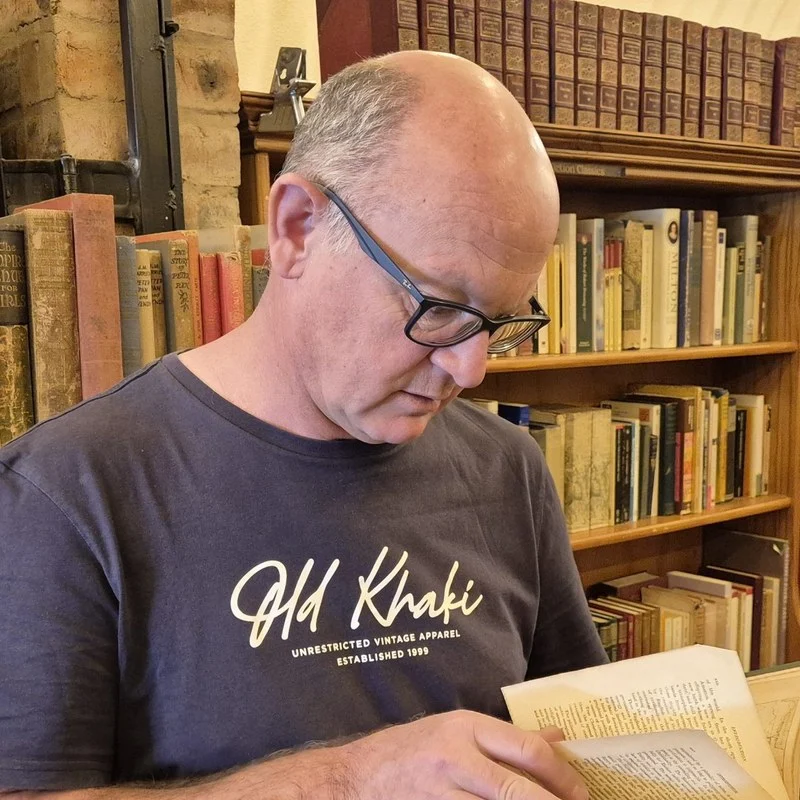
Robert (Rob) Cronjé is co-owner of Midlands Books & Collectables, based at The Old Mushroom Farm in Howick, KZN Midlands. He runs the shop alongside co-owner Adam Riley. Walk in on a weekday and you'll usually find one of them behind the counter with a coin, a rare book or a customer's collection spread out in front of them.
ZAR |
R |
 |
USD |
$ |
 |
EUR |
€ |
 |
GBP |
£ |
 |
|
ZAR
|
USD
|
EUR
|
GBP
|