You should never tape a rare book, full stop. Sticky tape is one of the quickest ways to ruin a good book. It looks like a harmless fix for a loose page or a tearing cover, but the adhesive yellows, stains and soaks into the paper over time, and when it eventually has to come off it lifts the surface and the print with it. Whatever you do with an old book, do not reach for the sellotape. I am Rob, co-owner at Midlands Books in Howick, and taped books are one of my nemeses, so let me explain why.
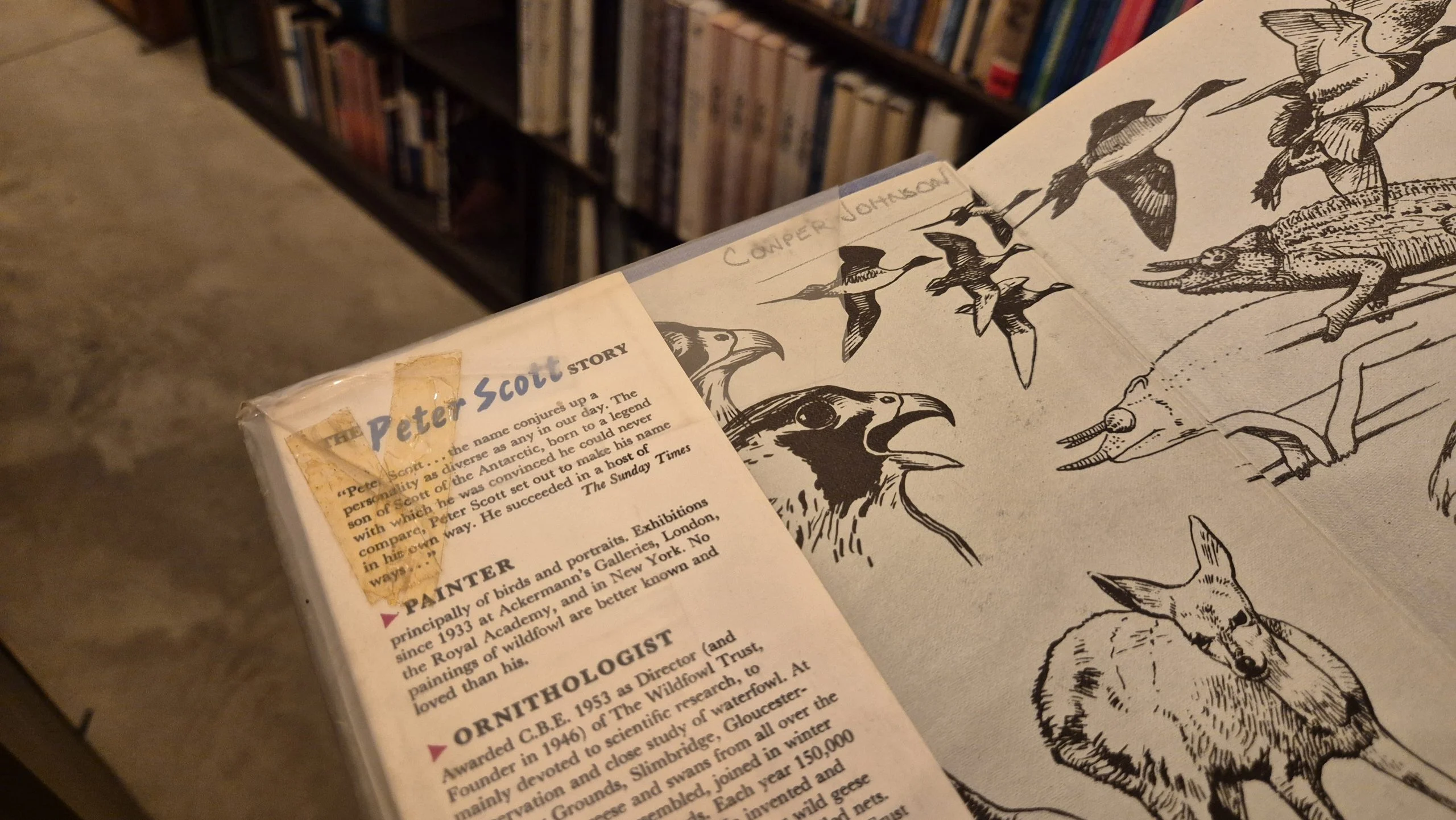
The problem is the glue, not the plastic strip. Ordinary pressure-sensitive tape (sellotape, magic tape, masking tape, parcel tape, all of them) is made with an adhesive that does not stay put. Over months and years it seeps into the paper fibres, turning a brown, greasy-looking stain that spreads well beyond the tape itself and often bleeds right through to the other side of the page. The tape then goes brittle and yellow, and here is the cruel part: by the time you decide to remove it, the adhesive has bonded so hard that pulling it off tears the paper or skins the printed surface clean away. So tape does damage twice, once while it sits there staining, and again when it comes off.
I understand the instinct, but no. A clean tear, left alone, is something a professional book repairer can mend almost invisibly with the right archival materials. A taped tear is far harder to fix, because first the conservator has to get the tape and its stain out without doing more harm, and sometimes that damage is permanent. So you have not bought time, you have made the eventual repair worse and more expensive. If a page tears, keep any loose pieces, lay the book flat, and leave it exactly as it is until someone who knows what they are doing can look at it.
Tape’s close cousin is the sticker, and it drives me just as mad. Price stickers, shop labels and security tags all leave the same residue or tear the surface when you peel them, and the worst offenders are often bookshops and auction houses that really ought to know better. If you are pricing or labelling books, use a loosely inserted slip of paper, never anything sticky on the book itself. It is a small habit that protects value.
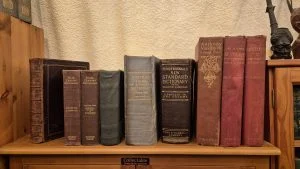
Less is always more with an old book. Leave a tear or a loose page alone rather than fixing it badly. Store the book flat and out of direct sunlight, protect the dust jacket if it has one, and for anything you think is valuable, get a proper book repairer or paper conservator to do the work. It is the same principle we set out in our guide on how to store and care for old books, and it sits alongside the point we make about handling in our piece on whether you should wear gloves. The reputable conservation bodies, like the Library of Congress, all say the same thing: keep adhesives away from books entirely.
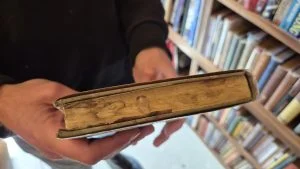
My colleague Baron shows exactly what tape damage looks like up close in the short reel below. It is worth a watch before you ever tape a book again.
Tape is one of the fastest ways to knock a book down a condition grade. Our book grading guide explains how those grades work.
Tape is not a repair, it is delayed damage. It stains while it sits and tears while it leaves, and it can knock a serious amount off what a book is worth. If a book is torn, loose or coming apart, resist the urge to fix it yourself and let a professional handle it.
If you have a book that has been taped, torn or damaged and you are not sure what it is worth or what to do with it, send me a few photos on WhatsApp at 082 328 2755 or email [email protected], and if you would rather browse than repair, our online catalogue is updated regularly.
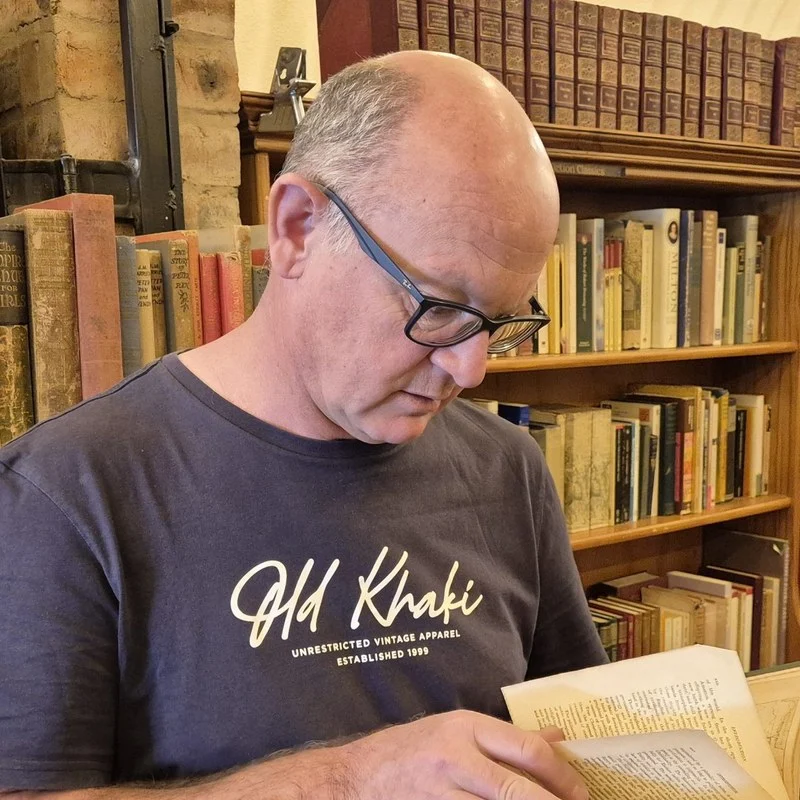
Robert (Rob) Cronjé is co-owner of Midlands Books & Collectables, based at The Old Mushroom Farm in Howick, KZN Midlands. He runs the shop alongside co-owner Adam Riley. Walk in on a weekday and you'll usually find one of them behind the counter with a coin, a rare book or a customer's collection spread out in front of them.
ZAR |
R |
 |
USD |
$ |
 |
EUR |
€ |
 |
GBP |
£ |
 |
|
ZAR
|
USD
|
EUR
|
GBP
|